
About Dr. Ketan Suthar
Dr.Ketan suthar , M.S.( Master of surgery) is a general surgeon with expertise in field of Gastero intestinal (G.I.) system like Endoscopy , laproscopy And Cancer surgery by training at various prestigious centers in Gujarat and india with a dream of providing highest possible quality care in this field at own home town , MODASA , District Aravalli . State: Gujarat And Founded Om Surgical Super Specialty Hospital at Modasa.
Find Us Our Location
- 2nd - 3rd Floor, Doctor house, Behind Modasa Bus stand, Modasa.
- osssh@yahoo.com
- +91 6351045924
-
Call: +91 6351045924
-
Email: osssh@yahoo.com
Colorectal Surgery
Colorectal Surgery
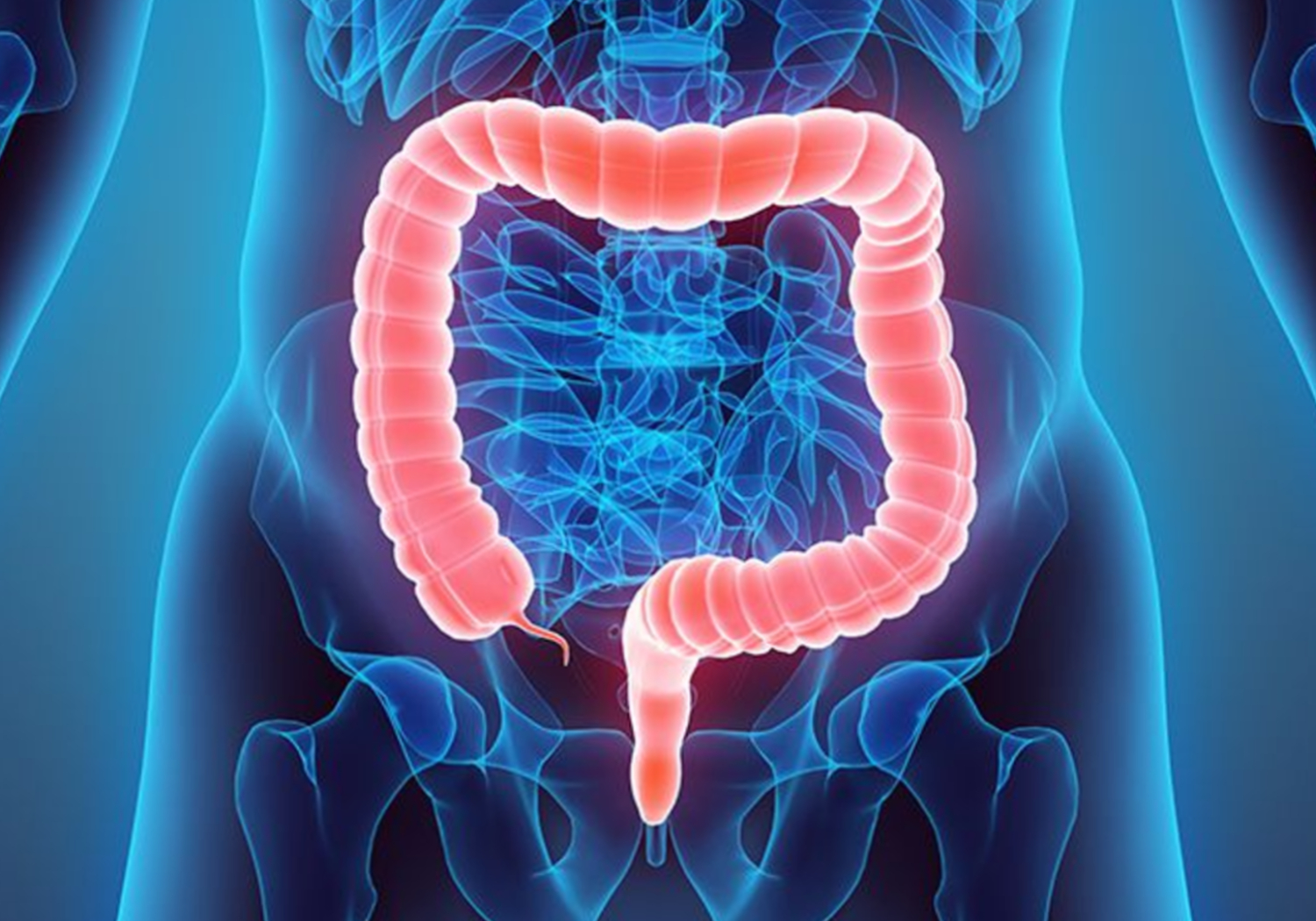
Colorectal surgery involves surgical procedures to treat conditions affecting the colon, rectum, and anus. These procedures can address various issues, including cancer, inflammatory bowel disease, diverticulitis, and severe constipation. Colorectal surgery can be life-saving, particularly in cases of cancer or significant infection.
Types of colorectal surgeries vary based on the specific condition and its severity. Here are some common types:
- Partial colectomy: removal of a portion of the colon.
- Complete colectomy: removal of the entire colon.
- Rectal resection: removal of the rectum.
- Colostomy: creating an opening for waste elimination.
Why Consider Colorectal Surgery?
Colorectal surgery is recommended for various reasons, including:
- Colorectal cancer.
- Inflammatory bowel disease (IBD).
- Diverticulitis.
- Severe constipation.
- Rectal prolapse.
- Fistulas or strictures.
What Are the Risks Involved in Colorectal Surgery?
Colorectal surgery, like any major surgery, carries risks. Common risks include:
- Bleeding from the surgical site.
- Infection in the abdomen or incision area.
- Delayed bowel function.
- Leaks at the surgical connection.
- Temporary or permanent changes in bowel habits.
Consulting with a qualified surgeon is crucial to discuss these risks and the overall procedure.
How to Prepare for the Surgery?
Preparation for colorectal surgery typically involves several steps:
- Follow pre-operative instructions provided by your doctor.
- Discuss medication adjustments, including stopping certain drugs.
- Plan for dietary changes leading up to the surgery.
- Arrange for support and care post-surgery.
Results After Colorectal Surgery
Recovery and results from colorectal surgery vary widely among patients. Most individuals require time and support to manage post-operative care, including diet modifications and follow-up appointments.